Should I Hire Mold Inspectors Near Me or Handle It Myself?
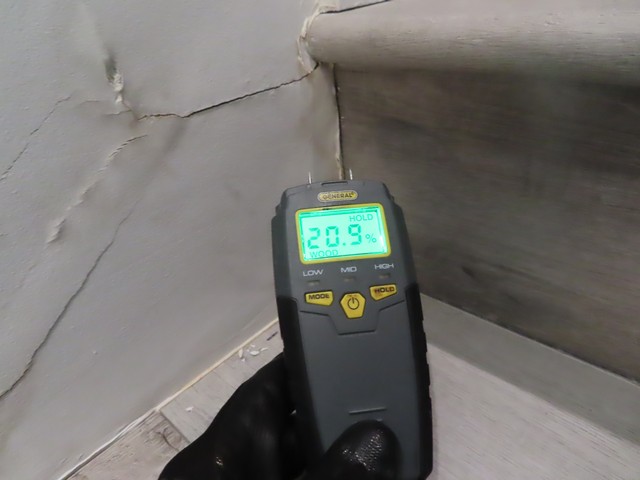
When deciding whether to hire mold inspectors near you or tackle it yourself, weigh the pros and cons carefully. Professionals can identify hidden mold problems, detect the presence of mold, and provide tailored inspection and testing solutions, but their services come with costs.
DIY mold inspection can save money, yet you risk underestimating the severity or missing hidden mold growth that might affect your indoor air quality. Consider your health and safety too, especially if you’re vulnerable to toxic mold spores or moisture problems. There’s a lot more to explore on this topic, so keep discovering your options to handle mold effectively.
Understanding Mold: Types and Risks
While you mightn’t think much about mold, understanding its types and associated risks is essential for maintaining a healthy environment.
Mold can be classified into three main categories: allergenic, pathogenic, and toxic. Allergenic molds can trigger allergies and respiratory issues like asthma, while pathogenic molds may cause infections, particularly in those with weakened immune systems. Toxic molds, like black mold, produce mycotoxins that can lead to serious health problems.
Exposure to mold spores can also worsen existing conditions. Knowing these risks emphasizes the importance of mold prevention, removal, and urgent action. Keeping your home dry and well-ventilated helps prevent mold growth, ensuring a safer space for every occupant.
Signs of Mold Infestation in Your Home
If you notice unexplained musty odors or see dark spots on walls or porous surfaces, it’s time to investigate. Ignoring the signs can lead to both health challenges and property damage.
Common indicators of mold infestation include:
- Visible mold growth: Look for discoloration, fuzzy patches, or staining on drywall, ceilings, or crawl spaces.
- Water intrusion: Check for leaks or wet areas in the basement, bathroom, or near an HVAC system.
- Increased allergies: Family members with worsened asthma or other symptoms might signal mold spores indoors.
- Condensation or excessive humidity: Moisture on windows or walls creates a breeding ground.
If these signs of mold appear, act promptly to prevent further mold issues and protect your indoor air quality.
Benefits of Hiring Professional Mold Inspectors
When mold is found in your home or business, hiring licensed mold inspectors can make all the difference. These certified professionals use mold testing tools such as air and surface samples to detect microscopic spores hidden behind walls, under flooring, or in HVAC ducts.
Inspection companies can also locate the water source causing the problem and recommend steps for remediation or repairs. You’ll get detailed reports that confirm the type of mold, affected areas, and environmental conditions contributing to growth.
By hiring experts, you ensure accurate testing, trustworthy results, and an unbiased evaluation. Many also accredit their work and operate under a strict protocol. For long-term peace of mind, remediation companies can use the findings to perform targeted mold removal and repair the affected areas.
Drawbacks of Hiring Mold Inspectors
While there are clear benefits, it’s worth acknowledging the drawbacks.
- Cost: Professional inspection and testing can be costly, sometimes reaching $1,000 or more depending on the size of the affected area.
- Scheduling delays: You may wait several days, prolonging exposure.
- Varying expertise: Not every contractor or home inspector has the right certification or experience.
- Limited control: You rely heavily on someone else’s professional opinion.
Still, a thorough evaluation from a licensed mold remediator or inspector can save you from future, more costly repairs.
Advantages of a DIY Mold Inspection
A DIY approach can be practical if you’re familiar with mold testing methods. You can personally inspect areas of concern, check for leaks, and sample visible mold for lab analysis.
This hands-on process helps you understand mold growth, identify moisture problems, and protect your home from further contamination. You’ll learn how humidity, porous materials, and surface conditions affect spores.
DIY also allows flexible scheduling and reduced expense, especially when dealing with small, visible patches that can be safely cleaned.
Disadvantages of Handling Mold Issues Yourself
Despite potential savings, DIY mold removal has notable limits.
- You may misjudge the type of mold or overlook an affected area.
- Without proper protective gear, exposure to airborne spores can affect your respiratory system.
- You might fail to fully clean porous materials, causing regrowth.
Professionals use HEPA air scrubbers, negative pressure systems, and strict remediation protocols to ensure safety and complete removal—something hard to achieve without professional mold services.
Cost Comparison: Professional Services vs. DIY
Hiring mold inspectors near you usually costs between $300 and $1,000 depending on testing, the remediation process, and the extent of mold. DIY methods can seem cheaper but often require buying disinfectants, protective gear, or scrubbers.
If you miss any hidden mold issue, you might face more expensive repairs later. Investing in professionals now can prevent recurring moisture problems and infestations that worsen indoor air quality.
Safety Considerations When Dealing With Mold
Mold spores can spread easily, so safety is critical.
- Use gloves, masks, and goggles during cleaning.
- Isolate the affected area with plastic and seal it off.
- Ensure proper ventilation to manage airborne spores.
- Never mix chemicals, as that can cause toxic fumes.
- If mold covers over 10 square feet or you suspect toxic mold, contact a licensed mold inspector.
Your goal is to protect your home while improving environmental conditions inside.
Steps to Take if You Choose to DIY
When performing mold removal, follow these steps:
- Wear protective gear and inspect every room for visible or microscopic mold.
- Clean small infestations with detergent and water.
- Fix the moisture source immediately to prevent regrowth.
- Dispose of porous materials like drywall properly.
- Dry the area completely to prevent future infestation.
- Confirm results with a follow-up inspection and testing.
If similar issues keep arising or conditions worsen, contact remediation companies for professional help.
When to Seek Professional Help for Mold Problems
Call mold inspectors near you if:
- You detect widespread or hidden mold.
- Your indoor air quality has declined, causing health symptoms.
- The home has had issues in the past like leaks or water intrusion.
- The structure is older and has porous surfaces or a basement prone to moisture.
Licensed mold professionals can recommend detailed steps for safe removal, remediation, and repair—ensuring your home or business remains mold-free long-term.
Protect Your Home with Golden State Mold Inspection
At Golden State Mold Inspection, our certified team provides top-tier mold inspection and testing throughout Southern California. Whether you need help detecting mold spores, checking air quality, or confirming type of mold, we’ve got you covered.
Our licensed inspectors offer free consultations, pre and post-assessments, sampling, and detailed remediation guidance. We don’t perform repairs or remediation, so you can trust our honest results. Get estimates today and let us advise you on the best steps to protect your home or business needs from mold safely and affordably.

Golden State Mold
204 Lomita St, El Segundo, CA 90245
(310) 525-0619