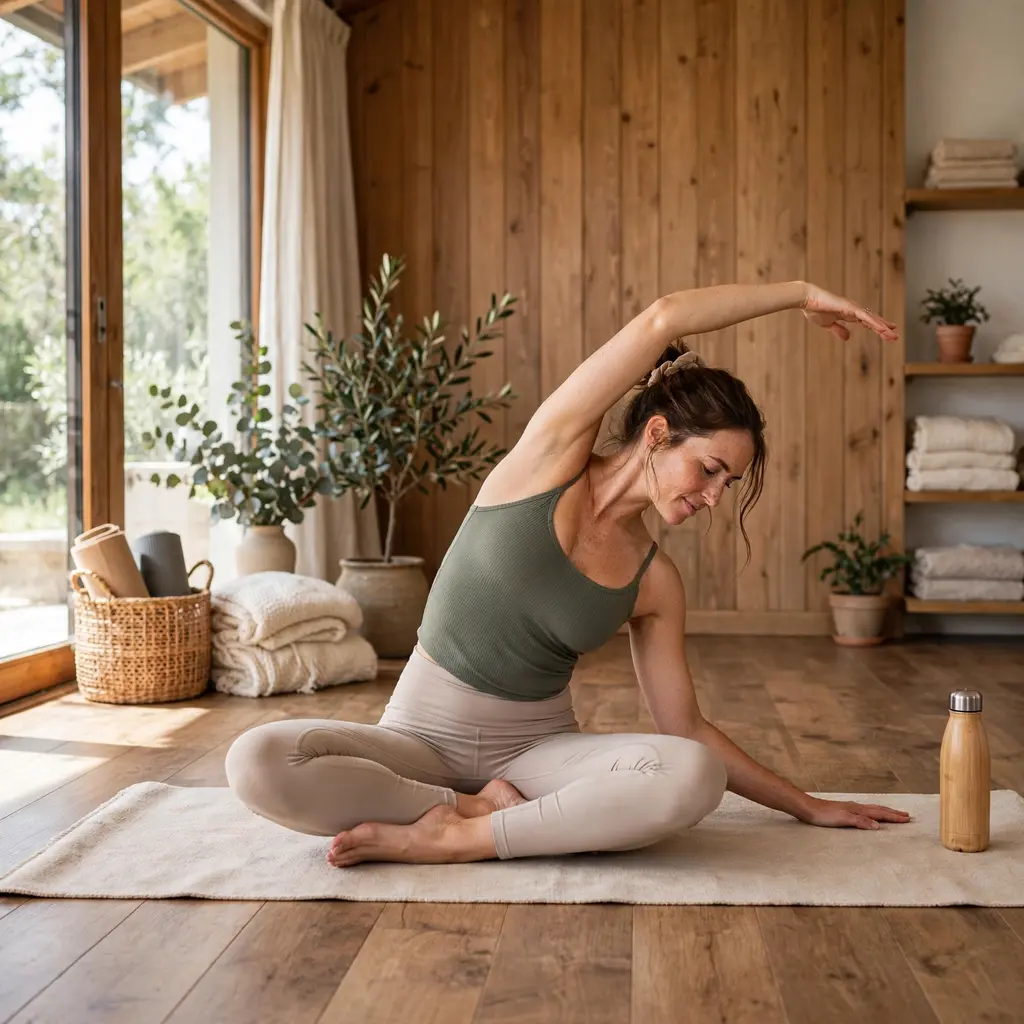
Start With Habits That Feel Realistic
Creating a healthier lifestyle does not require extreme workouts, strict routines, or dramatic changes overnight. The strongest fitness habits are usually the ones that fit naturally into everyday life and can be repeated without constant pressure. The goal is to build a routine that supports your body while remaining flexible enough to adapt to busy schedules. Small actions matter, and progress often begins here, with a realistic decision to become a little more active and consistent each day.
Make Movement a Natural Part of Your Day
Many people believe exercise only counts when it happens inside a gym or follows a structured training plan. In reality, regular movement can take many different forms. Walking, cycling, swimming, dancing, gardening, and recreational activities can all contribute to a more active lifestyle.
The key is finding activities you genuinely enjoy. A routine built around something unpleasant can quickly become difficult to maintain. Someone who enjoys walking outdoors may stay more consistent with that activity than with an intense gym programme they dislike. Making movement enjoyable increases the likelihood that it will become a long-term habit rather than a short-lived challenge.
Build a Balanced Approach to Exercise
A sustainable fitness routine should include variety. Focusing on only one form of exercise can eventually create boredom, while combining different activities can keep the experience interesting and support different areas of physical fitness.
Cardiovascular activities can support endurance and overall heart health. Strength training can help develop and maintain muscle while supporting everyday movements such as lifting, carrying, and climbing. Mobility exercises and stretching may also help people maintain comfortable movement and flexibility.
There is no need to perform every type of exercise every day. Instead, creating a balanced weekly routine can make fitness more manageable. Even simple adjustments, such as alternating walking days with strength sessions, can create variety without making a schedule overly complicated.
Support Your Activity With Better Nutrition
Physical activity and nutrition work together. Food provides energy for daily responsibilities and exercise, while nutrients support normal body functions and recovery. A healthy eating pattern does not have to involve removing every favourite food or following an unnecessarily restrictive diet.
A practical approach can include a variety of fruits, vegetables, whole grains, protein sources, and healthy fats. Paying attention to overall eating habits is often more useful than searching for a perfect diet.
Hydration is equally important, particularly for people who exercise regularly or spend time being active in warm conditions. Drinking enough fluids throughout the day can support normal body processes and help maintain comfort during physical activity.
Give Recovery the Attention It Deserves
Exercise creates positive challenges for the body, but improvement also depends on adequate recovery. Training continuously without enough rest can lead to tiredness, reduced motivation, and declining performance. A sustainable routine should therefore make space for recovery rather than treating rest as a failure.
Sleep is one of the most valuable parts of this process. Maintaining a consistent sleep schedule can support both physical and mental wellbeing. The FDA’s guidance on building healthier habits also highlights routine physical activity, healthy eating, stress reduction, and quality sleep as important elements of a healthier lifestyle.
Rest days can still include gentle movement. A relaxed walk, light stretching, or an easy mobility session may help you stay active without placing the same demands on your body as a harder workout.

Track Progress Beyond the Scale
Body weight is only one measurement, and it does not tell the complete story of health or fitness. Progress can appear in many other ways, including improved energy, greater strength, better endurance, easier daily movement, and increased confidence.
Keeping a simple record of workouts can help make progress more visible. You might notice that you can walk farther than before, complete more repetitions, or recover more comfortably after activity. These improvements can be highly motivating because they demonstrate that consistent effort is producing meaningful changes.
Focusing on multiple indicators also creates a healthier relationship with fitness. The objective should be improved wellbeing and physical capability rather than becoming overly dependent on a single number.
Protect Your Mental Wellbeing
Long-term fitness is not only about muscles, endurance, or physical appearance. Mental wellbeing can strongly influence how consistently someone follows healthy habits. Stress, poor sleep, and unrealistic expectations can make exercise feel like another obligation.
It can help to view physical activity as personal time rather than punishment. Walking outside, attending a class, exercising with friends, or playing a sport can create opportunities for relaxation and social connection.
Flexibility is important as well. Missing one workout does not destroy your progress, and one less-than-perfect day does not erase weeks of positive habits. Sustainable fitness allows room for normal life while encouraging people to return to their routines when circumstances change.
Set Goals That Encourage Consistency
Large fitness goals can sometimes feel overwhelming, especially when the results seem far away. Breaking bigger ambitions into smaller actions makes progress easier to manage.
Instead of immediately committing to an intense daily programme, begin with achievable targets. A few walks each week, two strength sessions, or short periods of movement during the day can create a strong starting point. Once these actions become familiar, they can gradually be expanded.
Consistency is usually more valuable than occasional bursts of extreme effort. Small habits repeated over months can produce more lasting benefits than an ambitious routine that is abandoned after several weeks.
Create a Lifestyle You Can Maintain
The best fitness routine is one that works with your life rather than constantly fighting against it. Your schedule, interests, responsibilities, and personal preferences should all influence how you approach physical activity.
Planning can make healthy behaviour easier. Preparing simple meals, scheduling activity in advance, keeping comfortable exercise clothing available, and reducing unnecessary barriers can all support consistency.
Long-term health is built through patience. Strength, endurance, confidence, and healthy habits develop gradually. By focusing on regular movement, balanced nutrition, proper recovery, and mental wellbeing, you can create a practical fitness routine that continues to support a healthier and more active life for years to come.