Peptide Research in Modern Medicine From Cellular Signals to Future Therapies

Peptides Are Gaining Attention in Modern Medicine
Peptide research has become an increasingly important area of biomedical science as researchers investigate how short chains of amino acids influence communication between cells, metabolism, immunity, and tissue function, here, scientists are examining individual peptides according to their biological structure, molecular targets, and potential therapeutic applications rather than treating all peptides as a single category. This approach is important because some peptides already have established physiological or medical roles, while many others remain experimental. The growing interest surrounding peptides reflects broader advances in molecular medicine, where understanding biological pathways can help researchers identify more precise approaches to disease and tissue management.
Science and Function of Peptide Molecules
Peptides are molecules formed when amino acids connect through peptide bonds. Their relatively small structures allow many peptides to perform highly specific biological functions. Naturally occurring peptides can act as hormones, signaling molecules, growth regulators, or components of complex physiological pathways. Some interact with receptors located on cell membranes, while others influence processes inside cells. Their biological effects depend heavily on their sequence, structure, concentration, stability, and interaction with particular targets. Consequently, researchers study each peptide individually to understand its pharmacology, mechanism of action, metabolism, and potential safety concerns before drawing conclusions about therapeutic value.
Cellular Signaling Is a Central Research Area
One of the most significant reasons peptides attract scientific attention is their involvement in cellular signaling. Cells continuously exchange information through receptors, hormones, enzymes, growth factors, and other molecular messengers. Certain peptides can activate or influence signaling pathways that regulate processes such as metabolism, inflammation, cell survival, and tissue responses. This makes peptide biology relevant to numerous research fields, including endocrinology, immunology, oncology, metabolic science, and regenerative medicine. However, demonstrating that a peptide can affect a pathway does not automatically establish that it can produce a meaningful or safe medical outcome in humans. Translational research remains essential.
From Laboratory Discoveries to Medical Evidence
The development of a potential peptide therapy generally begins with laboratory research designed to establish biological activity and understand mechanisms. Researchers may then use preclinical models to examine pharmacology, toxicity, dosing, distribution, and possible therapeutic effects. If findings support further investigation, carefully designed clinical trials can assess safety and effectiveness in people. This progression helps distinguish promising scientific observations from interventions that have demonstrated clinical value. Recent reviews of regenerative peptides emphasize that evidence for several emerging compounds remains limited, particularly when human clinical data are sparse.
Why NCBI Resources Matter for Peptide Research
For readers evaluating peptide science, authoritative biomedical databases can provide a stronger foundation than promotional claims or isolated online discussions. The National Center for Biotechnology Information (NCBI) peptide reference explains that peptides consist of amino acids joined by peptide bonds and provides a structured framework for researching peptide-related literature and terminology. NCBI resources also classify intracellular signaling peptides and proteins according to their roles in signal transduction and cellular processes. Using established scientific resources can help readers understand terminology, locate published research, and assess whether claims are supported by credible evidence.
Regenerative Medicine and Tissue Research
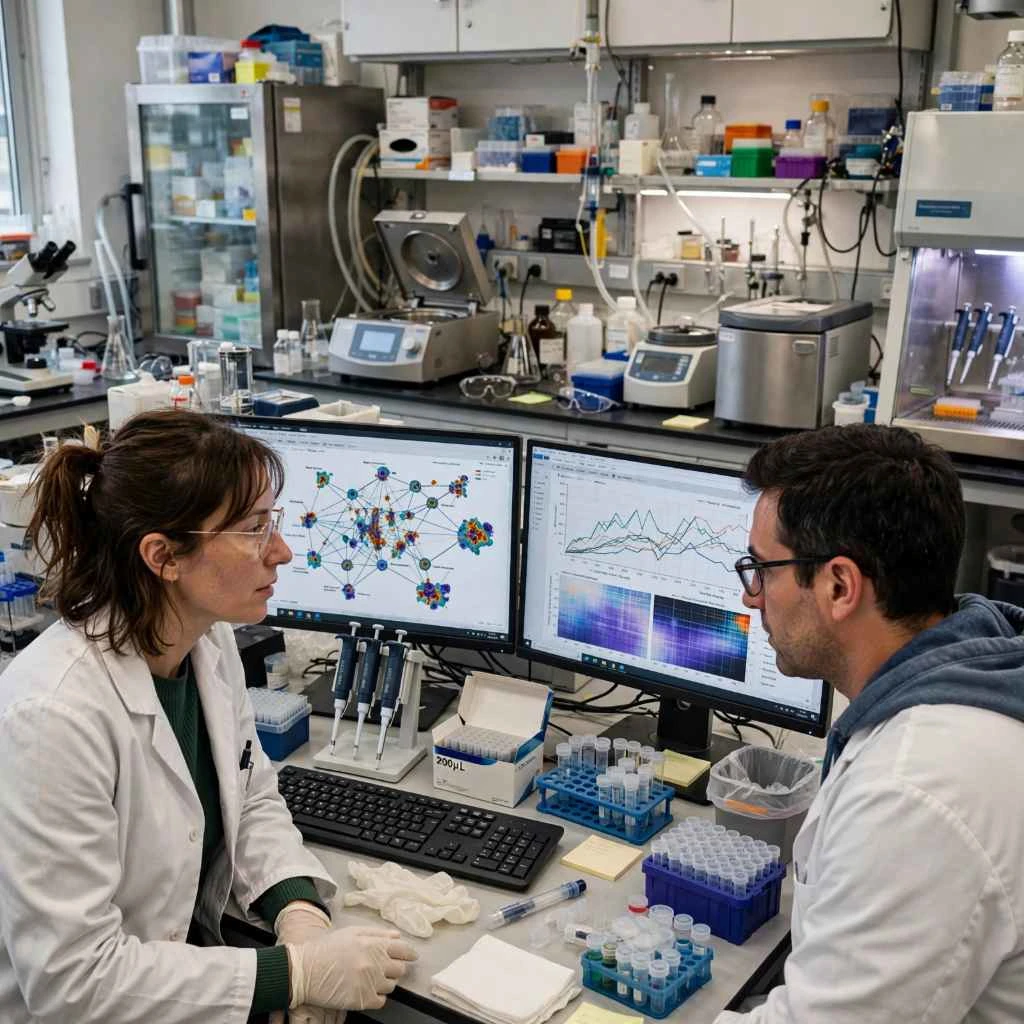
Regenerative medicine is another area where peptide research continues to attract attention. Scientists are investigating whether specific peptides can influence tissue repair, inflammation, extracellular matrix activity, cell differentiation, and other biological processes involved in recovery. Research into programmable short peptides has also examined their potential role in tissue engineering, including the development of biomaterials that can interact with cellular environments. These findings are scientifically interesting, but experimental results should not be interpreted as proof that every peptide can regenerate human tissue or treat an established medical condition. The distinction between laboratory potential and demonstrated clinical benefit remains fundamental.
Emerging Peptides Require Careful Evaluation
Several emerging peptides have generated interest because of their proposed effects on metabolic, mitochondrial, inflammatory, or tissue-related pathways. MOTS-c, for example, has been investigated in connection with mitochondrial biology and metabolic signaling. Other compounds have been studied in areas such as tissue repair and musculoskeletal research. Yet the level of evidence varies considerably between molecules. A 2026 review of injectable peptide therapies noted that some widely discussed compounds have promising preclinical findings but limited validation in human studies. This demonstrates why scientific interest should never be treated as equivalent to established clinical effectiveness.
Product Quality Can Influence Research Outcomes
The quality and characterization of peptide materials are also important considerations. Researchers need confidence in a compound’s identity, purity, concentration, stability, and formulation when conducting experiments. Variations in these characteristics can affect experimental results and make studies difficult to reproduce. This issue becomes particularly important when peptide-related information moves from academic research into commercial environments. A label or product description alone cannot establish the scientific quality, sterility, potency, or suitability of a material for human use. Reproducible research depends on appropriate analytical methods and clearly documented experimental conditions.
Evidence Should Guide Future Peptide Development
The future of peptide research may benefit from improvements in molecular design, drug-delivery systems, computational biology, and targeted therapies. Researchers are exploring ways to improve peptide stability, specificity, and biological performance while addressing limitations associated with administration and metabolism. At the same time, responsible development requires rigorous testing and transparent reporting. Evidence from controlled clinical studies is particularly important because promising cellular or animal findings may not translate directly into human outcomes. As regenerative medicine and metabolic research continue to advance, careful interpretation will remain necessary to separate credible discoveries from premature claims.
Balanced Perspective on Peptide Science
Peptide research sits at an important intersection of molecular biology, pharmacology, regenerative science, and clinical medicine. Its potential is substantial, but potential should remain distinct from proven therapeutic benefit. Readers and healthcare professionals can make better-informed assessments by examining the mechanism of action, quality of available studies, human evidence, safety information, and regulatory considerations. As researchers continue investigating peptides and their biological functions, maintaining an evidence-based perspective will help ensure that genuine scientific progress receives attention while unsupported claims are treated with appropriate caution.